How Technology Is Transforming the Landscaping Industry: Trends & Future
Commercial landscaping has always been a hands-on industry. The core work still depends on skilled crews doing the job in the field.
What is changing is the technology behind that work.
Autonomous mowers can now maintain large turf areas with limited operator involvement. Remote-controlled equipment allows crews to work more safely on slopes and difficult terrain. Battery-powered equipment reduces noise and eliminates tailpipe emissions during operation. Smart irrigation systems adjust watering based on weather and plant demand. Artificial intelligence is beginning to streamline estimating, reporting, scheduling, accounting, and other back-office functions.
For commercial property owners and managers, the value of these technologies comes down to performance.
Here are some of the biggest technology trends shaping the landscaping industry today, and what they mean for the properties you manage.
1. Autonomous Mowing for Large Property Maintenance
Mowing is one of the most repetitive and labor-intensive parts of commercial landscape maintenance, especially on sites with significant acreage. That makes it a natural area for automation.
At Site Landscape Development, our autonomous mowing programs use advanced equipment, including Scythe and Segway Navimow systems, to maintain large open areas and defined landscape zones.
Scythe autonomous mowers are designed for commercial-scale properties where traditional crews may spend significant time covering broad turf areas. Segway Navimow systems can handle more precisely defined mowing areas using mapping and obstacle-avoidance technology, without traditional boundary wires.
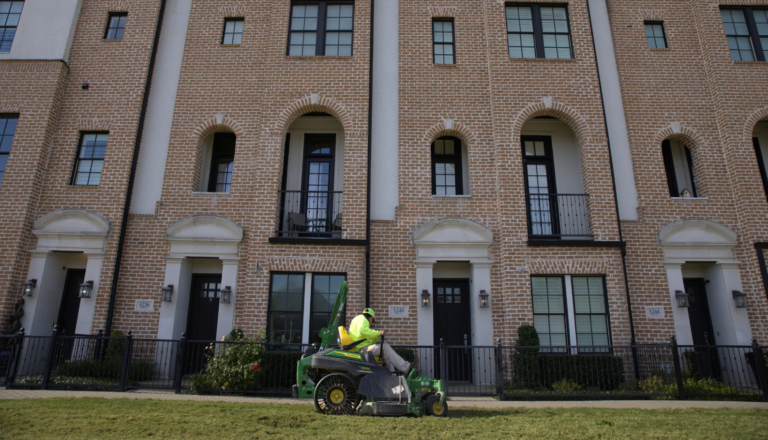
Autonomous equipment can handle repetitive mowing while crews focus on detail work, irrigation, horticulture, cleanup, inspections, and other areas of the property. This combination of skilled teams and autonomous equipment is likely to become more common.
2. Remote Controlled Equipment Is Improving Safety
Commercial properties often include detention ponds, drainage areas, steep embankments, right-of-way areas, and uneven terrain. These conditions can create safety challenges for crews operating traditional riding equipment.
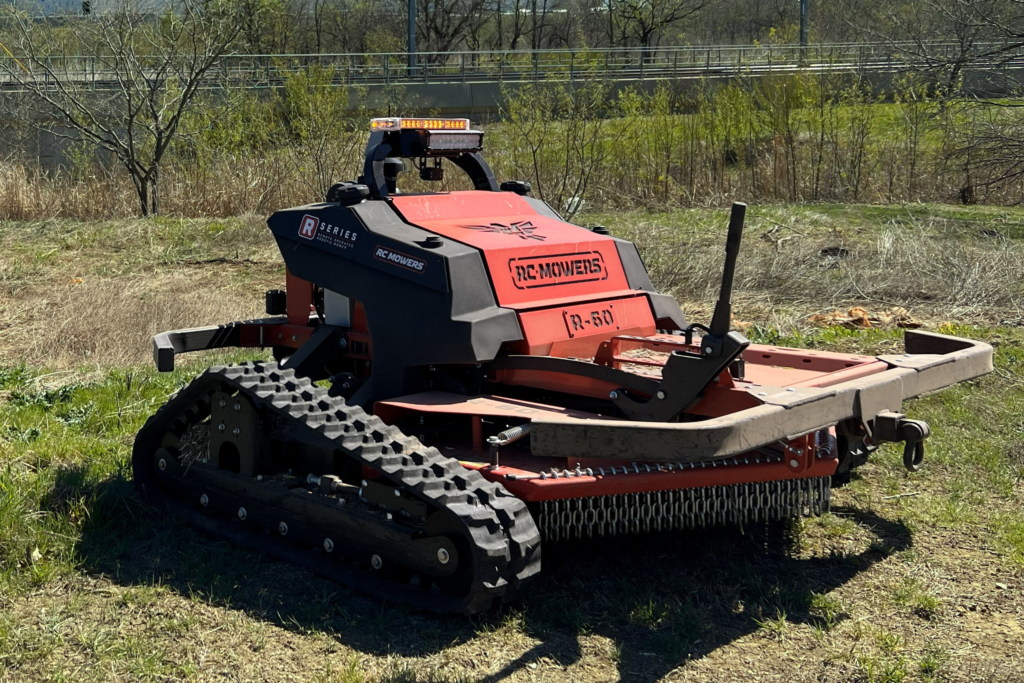
Remote-controlled mowing technology allows trained operators to control specialized equipment while remaining at a safer distance from the machine.
Our RC mowing programs are designed for difficult and high-risk areas where remote operation can improve safety and control.
This technology gives skilled employees a safer and more efficient way to complete difficult work while maintaining professional results across challenging areas of a property.
3. Battery Powered Equipment Is Expanding
Battery-powered equipment is also becoming more common throughout the landscaping industry.
Advancements in battery technology have made electric blowers, trimmers, mowers, and other equipment more practical for commercial use. These tools can reduce on-site noise and eliminate tailpipe emissions during operation, which can be especially valuable around offices, residential communities, schools, and other occupied properties.
As battery life, charging infrastructure, and equipment capabilities continue to improve, commercial landscape companies will have more opportunities to determine where electric equipment makes sense within their operations.
4. Irrigation Is Becoming Smarter and More Data Driven
Commercial irrigation has changed significantly from systems that relied on fixed schedules year-round.
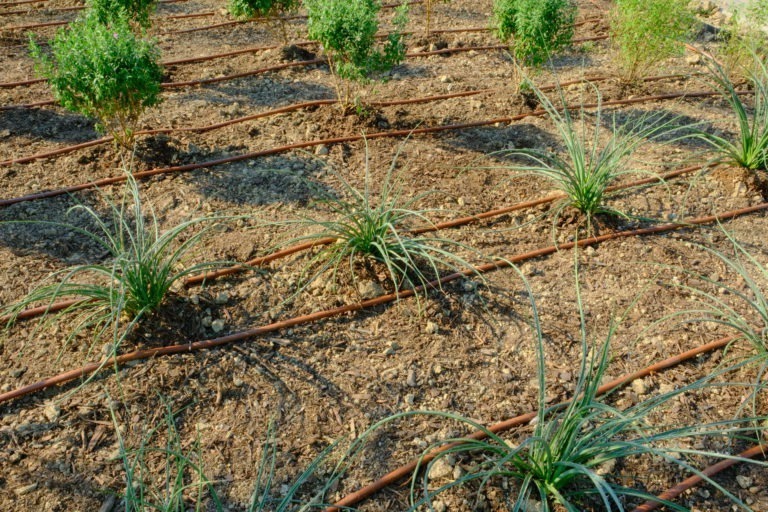
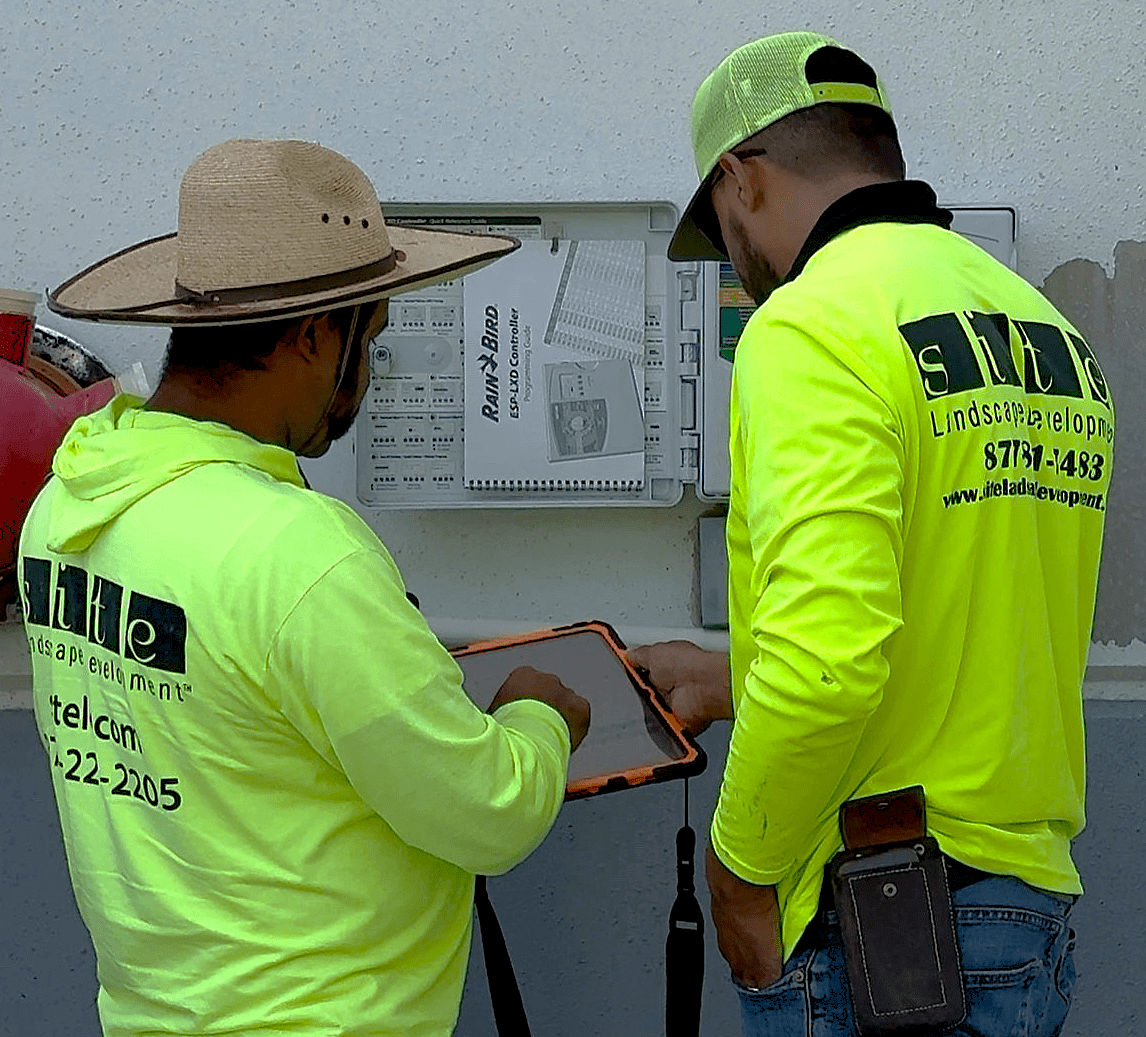
Modern systems can now respond to actual site conditions. ET-based smart controllers use weather and evapotranspiration data to help determine how much water a landscape needs, while rain sensors and remote monitoring provide better visibility into system performance.
That matters in North Texas, where extreme heat, changing rainfall, and municipal watering restrictions all affect irrigation needs.
At SLD, our commercial irrigation programs include ET-based smart controllers, system inspections, efficiency optimization, repairs, and ongoing water management.
For property managers, smarter irrigation can support:
- Lower water waste
- Faster identification of system problems
- Better seasonal adjustments
- More consistent turf and plant health
- Improved compliance with local watering requirements
Technology gives irrigation teams better information about system performance and site conditions.
The difference can be easy to spot. Most property managers have seen sprinklers running during or immediately after heavy rain. That can happen when a system is operating on a fixed schedule, when a rain sensor is not working properly, or when a controller has not been adjusted to current conditions.
Smart irrigation technology gives teams more visibility into those situations and can help prevent unnecessary watering that may have gone unnoticed otherwise.
5. Artificial Intelligence Is Becoming Part of Everyday Operations
Artificial intelligence is beginning to influence the landscaping industry in many of the same ways it is changing other businesses.
AI can help streamline repetitive administrative work, organize information, support estimating, review field reports, analyze business data, assist with scheduling, and improve communication between office and field teams.
These tools can give experienced employees more time to focus on decisions, clients, and operations.
Estimators can use AI-supported tools to review information more efficiently. Account managers can organize property notes and reporting faster. Operations teams can analyze larger amounts of information without spending as much time sorting through it manually.
The value comes from making useful information easier to access and giving teams more time to act on it.
6. How SLD Is Using AI Internally
At Site Landscape Development, technology has always been one of our differentiators. Recent advancements in AI have accelerated what we are able to build and improve internally.
We are approaching AI with a focus on practical use. We have identified repetitive processes, disconnected information, and time-consuming administrative work where technology can help our teams operate more efficiently. The goal is to give employees faster access to useful information and more time to focus on clients and work in the field.
One of the biggest opportunities we see is the ability to create highly customized software around the way SLD actually operates. We now have the ability to develop tools designed around specific needs within our organization and connect information across different areas of the business.
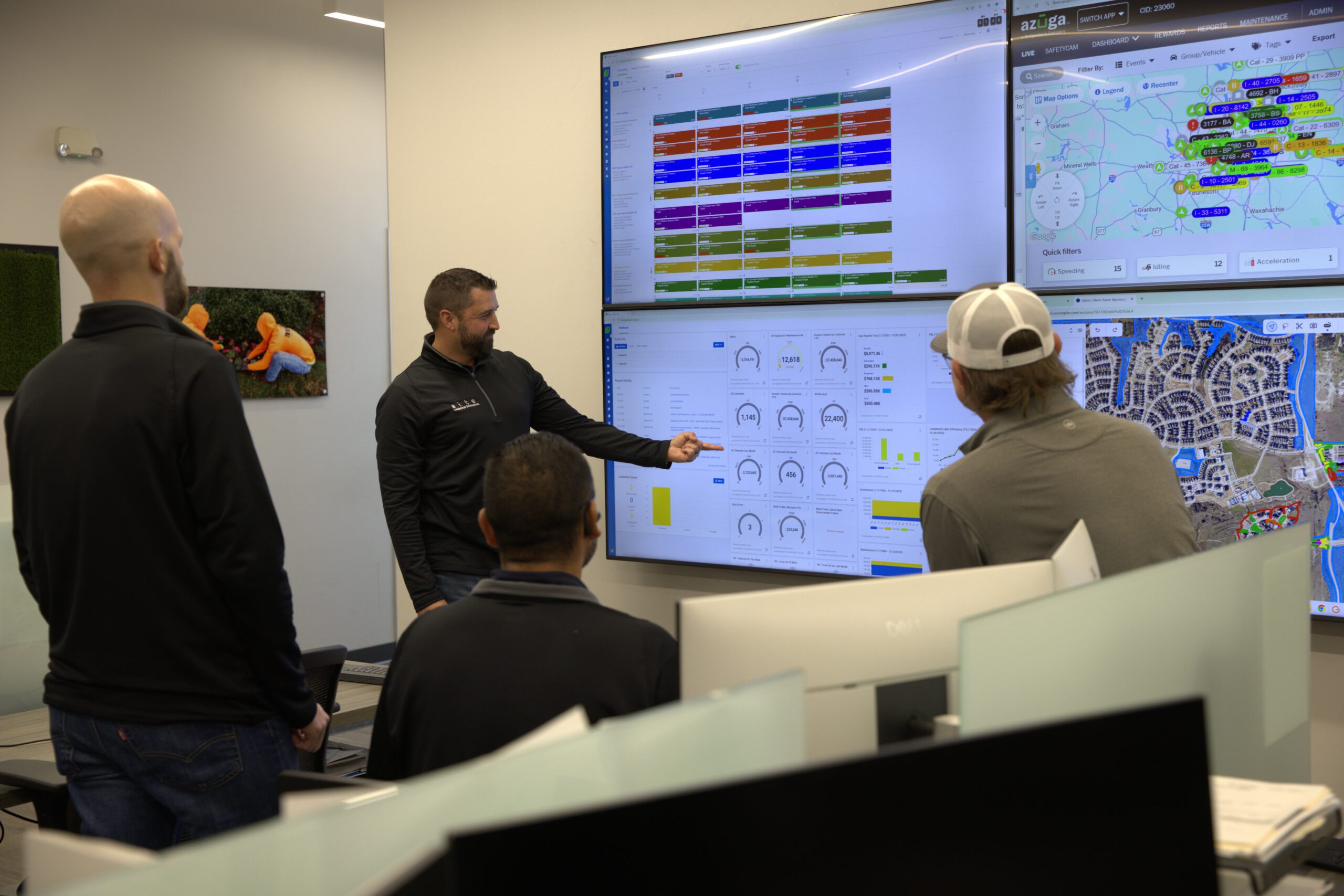
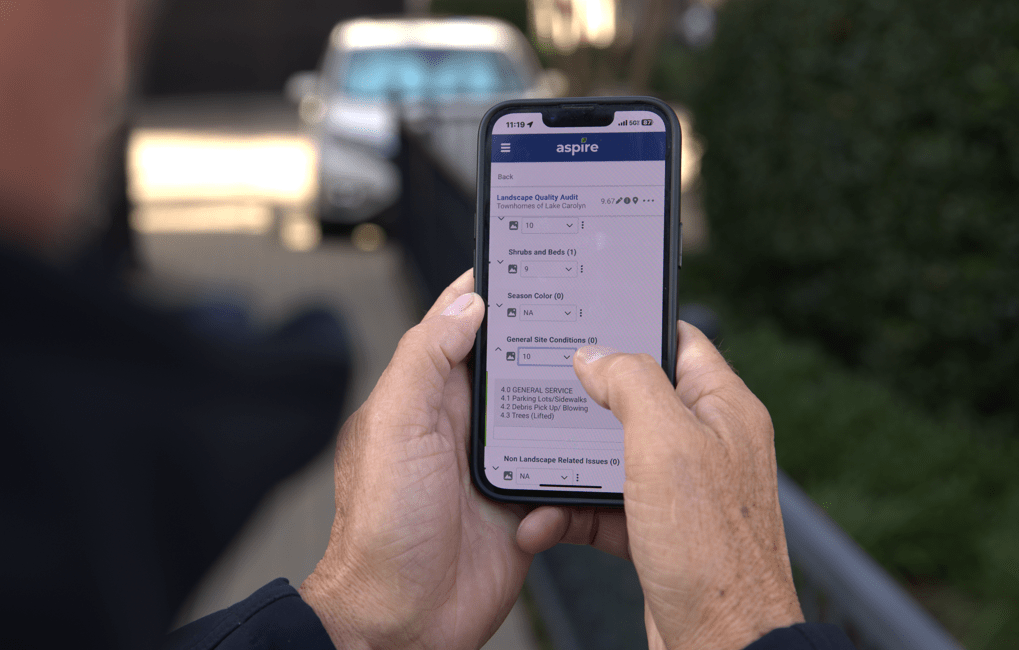
These tools are also being built to work alongside systems we already use, including Aspire, our core landscape management software, so information can move more efficiently across estimating, operations, reporting, and other areas of the business.
Our current projects include:
- End-to-end accounts payable automation
- An irrigation inspection application
- Finance automation tools
- An Aspire API management tool
- A broader systems integration tool connecting platforms across SLD
- A CRM
- An estimating tool
- Reporting tools
- A fleet management application
- A geofence reconciliation tool
- A meeting management application
These projects are designed to connect information, reduce repetitive work, improve visibility, and give our teams better tools for managing an increasingly complex operation.
As AI continues to develop, we expect its role in the landscaping industry to grow as well. The biggest opportunities will come from finding practical uses that help employees work more efficiently and make better-informed decisions.
7. What Technology Should Mean for Property Managers
Property managers do not need to become experts in autonomous equipment, irrigation controllers, business software, or artificial intelligence.
They should understand how a contractor is using technology to improve consistency, safety, irrigation performance, communication, and accountability.
Focus on the practical questions: How are they investing in equipment? How is field data shared? How is irrigation monitored? Where can automation help on your property?
Used well, technology helps landscape teams work safer, operate more efficiently, communicate more clearly, and deliver more consistent results.
Learn how Site Landscape Development uses smarter equipment, irrigation, and technology to support commercial properties across North Texas.