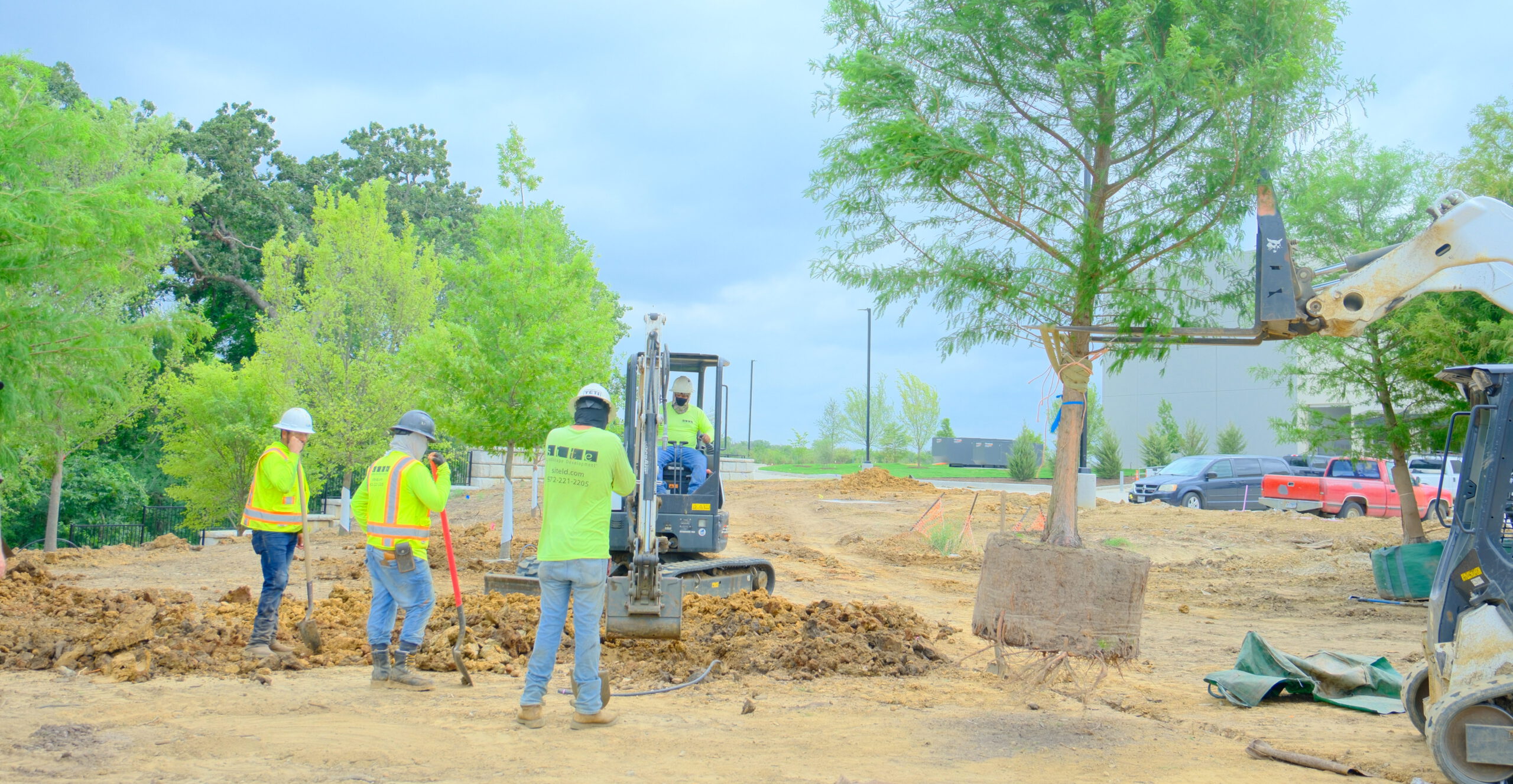
5 Things That Delay Commercial Landscape Construction Projects
If you have ever managed a commercial landscape construction project in North Texas, you know that even well-planned timelines can shift. Delays often stem from a combination of smaller issues that accumulate over the course of a project.
For owners, developers, and general contractors, those delays can affect lease-ups, tenant openings, certificate of occupancy timelines, and final project budgets. Understanding the most common causes of delay can help your team plan smarter from the start and avoid the most costly surprises.
Here are five of the most common reasons commercial landscape construction projects fall behind schedule, and what experienced contractors do to keep them on track.
1. Weather Conditions
North Texas weather is one of the biggest variables in any commercial landscape construction project. Heavy spring rains can stall site work for days at a time. Summer heat can affect sod and plant establishment. Sudden winter freezes can delay planting windows entirely.
Weather delays sometimes can’t be avoided, but they can be planned for. Experienced commercial landscape contractors build schedules with buffer windows around known seasonal risks, monitor forecasts closely, and adjust crew sequencing to take advantage of workable conditions when they appear.
The contractors that always deliver on time treat weather as part of the schedule from day one.
2. Site Readiness and Coordination with Other Trades
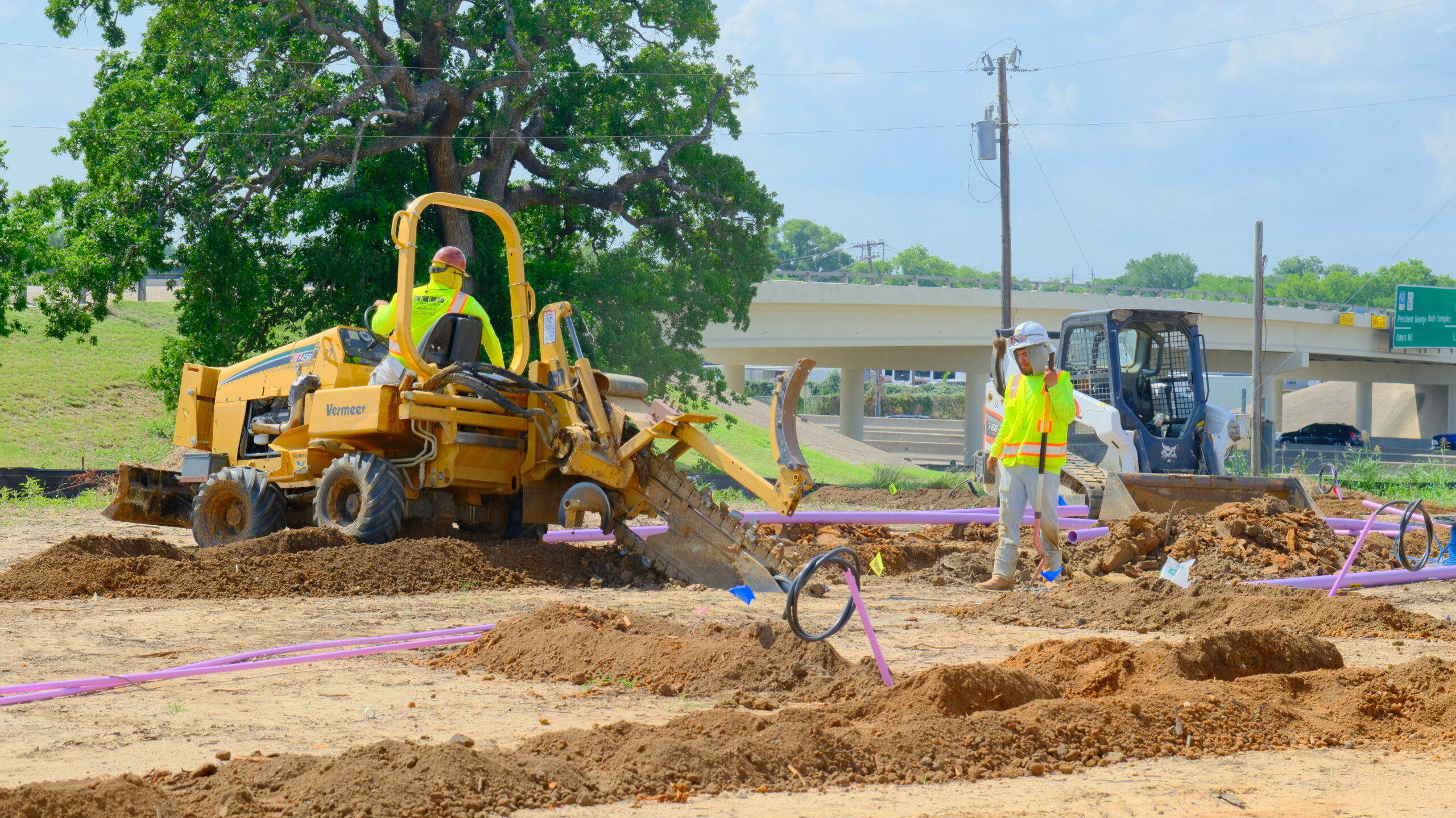
Commercial landscape construction almost never happens in isolation. Landscape crews are typically working alongside concrete contractors, paving teams, utility installers, electrical crews, and general construction trades.
When earlier phases run behind, landscape work often gets compressed into a shorter window. Common site readiness issues include:
- Final grading not complete when landscape crews arrive
- Underground utilities still being installed
- Concrete or hardscape work delayed
- Site access blocked by other trades
- Irrigation conflicts with utility lines that haven’t been located and marked
The most successful projects involve active coordination between the landscape contractor and the general contractor from early in the schedule. Walkthroughs, weekly progress meetings, and clear communication about handoff timing all help keep landscape work moving when its turn arrives.
3. Plant Material and Sod Availability
Plant material is one of the most overlooked sources of delay in commercial landscape construction. Large commercial projects often require specific tree sizes, shrub quantities, and sod varieties that nurseries cannot always supply on short notice.
In North Texas, demand for sod and seasonal plant material can spike during peak construction seasons. Lead times on larger caliper trees and specialty plants may stretch weeks or even months. Substituting last minute often creates design and approval issues that slow the project even further.
Experienced commercial landscape contractors source plant material well ahead of installation, confirm availability with multiple nurseries, and flag long lead items during design review. At Site Landscape Development, our construction team coordinates plant and material sourcing during preconstruction so that installation can move forward without supply gaps.
4. Permitting, Inspections, and Municipal Approvals
Different municipalities across the Dallas-Fort Worth Metroplex have different permitting requirements for commercial landscape construction. Tree mitigation plans, irrigation permits issued under Texas Department of Licensing and Regulation requirements, water tap approvals, and final landscape inspections all have to be completed at specific points in the project.
Missing a single approval window can stall an entire phase. Common permitting delays include:
- Tree preservation and mitigation plan reviews
- Irrigation system permit approvals
- Required pre installation inspections
- Final landscape inspections tied to certificate of occupancy
- Municipal specific submittal requirements
A contractor with strong familiarity across DFW jurisdictions can anticipate these requirements, prepare documentation early, and schedule inspections proactively. That local experience often determines whether your project closes out on schedule.
5. Late Design Changes or Scope Additions
Late changes are one of the most predictable sources of delay in commercial landscape construction. Owners may decide to upgrade plant material partway through the project. Tenants may request changes near a grand opening. Developers may add enhancements to improve curb appeal before final walkthroughs.
Each change typically requires:
- Revised design documentation
- Updated material orders
- Adjusted crew scheduling
- Possible permit revisions
Small changes individually may not seem disruptive, but cumulatively they can push a project several weeks behind schedule. The most effective way to manage scope changes is to address them during design review and preconstruction, before installation begins. Clear approval processes and detailed scope documentation help reduce the number of changes that arise late in the project.
How Experienced Contractors Keep Projects on Track
The common thread across all five of these delays is planning. The contractors that consistently deliver commercial landscape construction projects on time know how to anticipate problems, communicate early, and adjust quickly when conditions change.
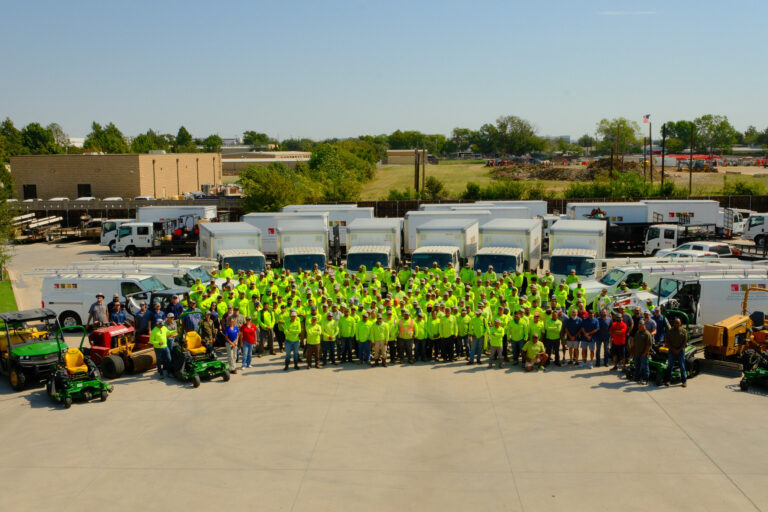
At Site Landscape Development, our commercial construction team provides comprehensive landscape construction services across the Dallas-Fort Worth Metroplex, including:
- Site preparation, grading, and drainage solutions
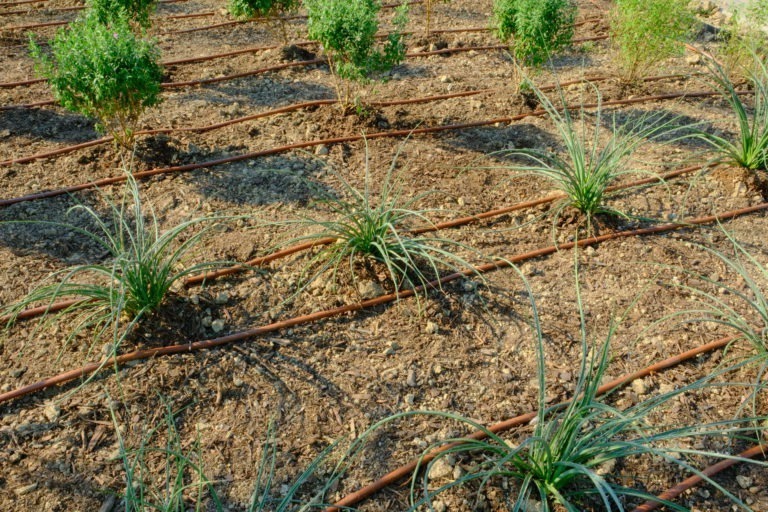
- Irrigation and water management systems
- Planting of trees, shrubs, and plant material
- Sod installation and hydromulch applications
- Aggregate, decomposed granite, and decorative rock
- Roadway and sidewalk landscaping
- Full support for multi acre commercial and HOA developments, including production and contractor coordination
We work with owners, developers, and general contractors on warehouse complexes, industrial sites, retail centers, and master planned communities, providing the project management and field coordination that keeps complex projects moving.
Planning Ahead Saves Time and Money
Commercial landscape construction delays are usually caused by the cumulative effect of weather, coordination gaps, material lead times, permitting requirements, and late scope changes. The projects that finish on time are the ones managed by teams that plan for each of these factors from the start.
If you are planning a commercial landscape construction project in North Texas, the best time to identify potential delays is during preconstruction. Contact our construction team to discuss your project, review your timeline, and identify the planning steps that will keep your build on schedule.