How DFW Water Restrictions Affect Your Commercial Irrigation Plan
If you manage commercial property in North Texas, water restrictions are not something you can afford to think about only when drought conditions make the news. These restrictions directly affect how your landscape is maintained, how your irrigation system is programmed, and how your property looks throughout the hottest months of the year.
But the challenge is that there is no single set of “DFW water restrictions.” Different water providers and municipalities have their own conservation plans, watering schedules, and drought response stages. What works for a property in one city may violate restrictions in another.
For commercial property managers, that means irrigation planning needs to be proactive. A well-designed commercial irrigation management program should help your landscape stay healthy while remaining compliant with local regulations, even as restrictions change throughout the year.
Water Restrictions Are Part of Normal Landscape Management
Many North Texas municipalities have moved beyond treating water restrictions as emergency measures. Water conservation has become a permanent part of landscape management.
Across much of North Texas, communities served by the North Texas Municipal Water District (NTMWD) operate under year-round water conservation measures that limit irrigation to no more than two days per week and prohibit watering between 10:00 a.m. and 6:00 p.m. Similar conservation requirements exist throughout much of the Dallas-Fort Worth Metroplex.
That means commercial irrigation systems cannot simply run every day throughout the summer. They need to be designed and managed around the reality that watering opportunities may be limited. For property managers, the goal is to maximize irrigation efficiency.
Why Older Irrigation Strategies Often Fail Under Restrictions
Many commercial properties still operate irrigation systems that were programmed years ago and rarely adjusted.
When watering windows become limited, those older systems often expose several problems:
- Broken or clogged sprinkler heads
- Poor zone coverage
- Overspray onto pavement
- Excessive runoff
- Inconsistent pressure
- Controllers that rely on fixed schedules rather than weather conditions
Under unrestricted watering, these inefficiencies may go unnoticed. Under a twice per week schedule, every irrigation cycle matters.
If 20 percent of your water is being lost to runoff or poor coverage, restrictions can quickly translate into stressed turf, declining plant material, and increased replacement costs.
This is one reason commercial irrigation audits and system inspections have become important for commercial properties across DFW. Before adding more water, the first step should be determining whether the system is even using existing water efficiently.

Smart Controllers Matter More Than Ever
One of the biggest shifts in commercial irrigation over the last decade has been the adoption of weather-based smart controllers.
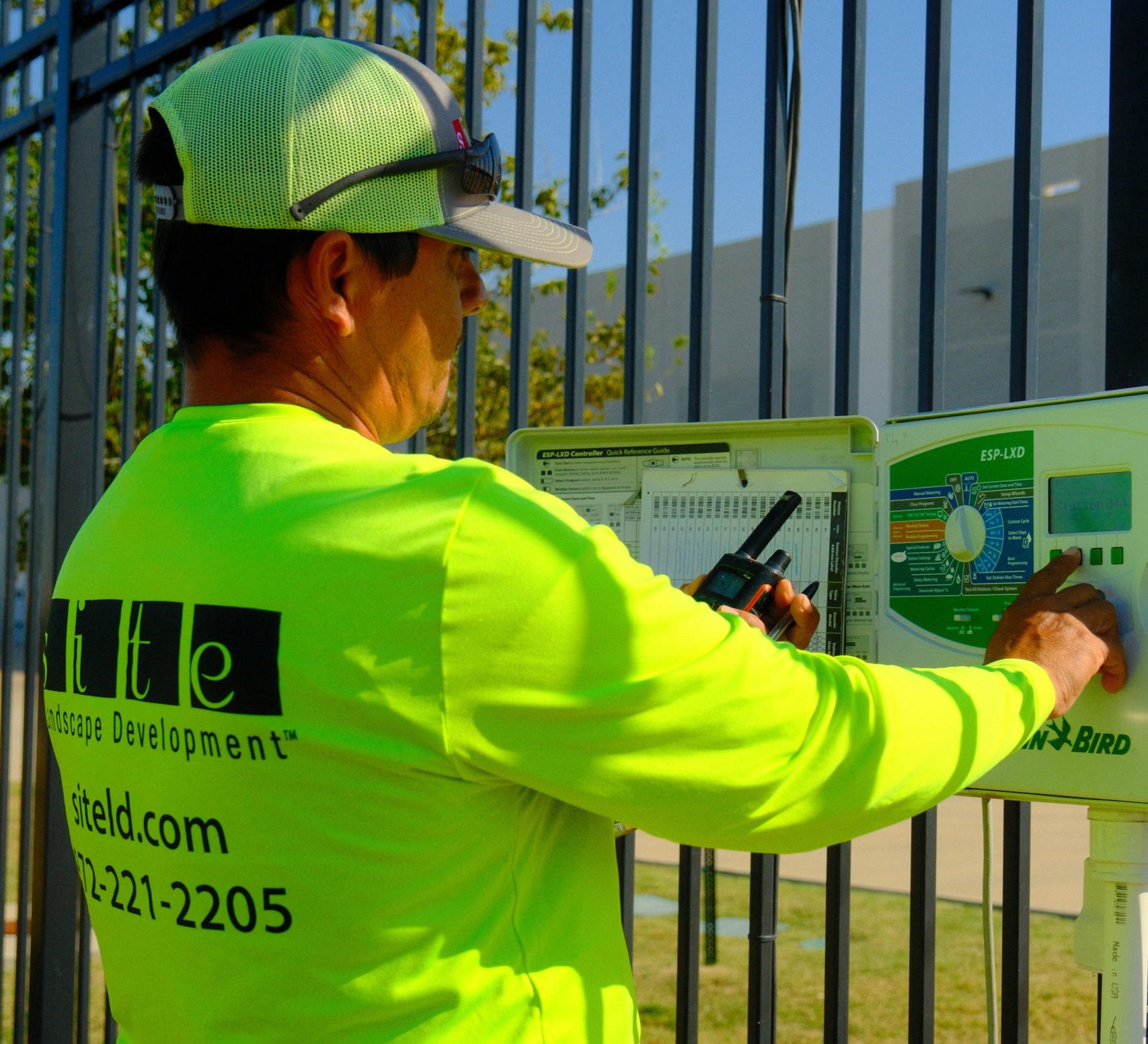
Modern ET-based controllers automatically adjust watering schedules based on weather conditions, temperature, rainfall, humidity, and seasonal plant demand.
For commercial properties operating under water restrictions, this technology offers several advantages:
- Reduced water waste
- Improved compliance with local regulations
- Better plant health
- Lower utility costs
- Faster adjustments during changing weather patterns
Instead of relying on a static summer schedule, smart controllers allow irrigation programs to respond to actual site conditions. A property that receives significant rainfall may automatically reduce watering. A prolonged heat wave may trigger adjustments within allowable watering windows. The result is a landscape that remains healthier while using less water overall.
Maintaining that level of efficiency requires more than adjusting a controller once or twice a year. Successful commercial irrigation programs rely on proper system design, ongoing monitoring, and regular maintenance.
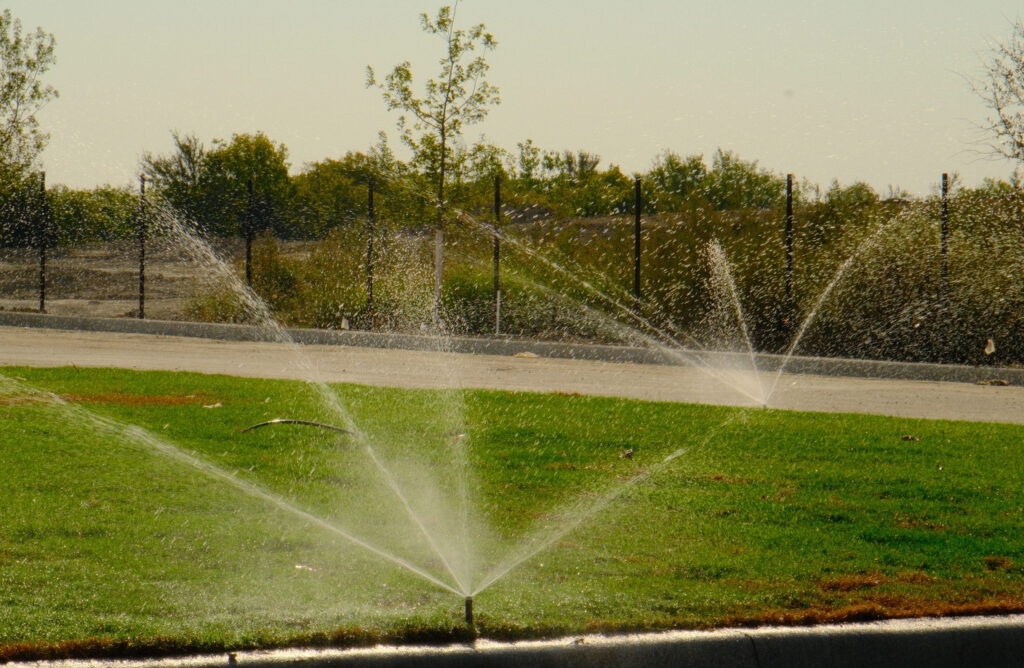
At Site Landscape Development, our Irrigation Team helps commercial properties improve water efficiency through ET based smart controllers and smart irrigation solutions, water management and efficiency optimization, system inspections and irrigation audits, and long-term irrigation maintenance for commercial properties. These services help property managers reduce water waste, maintain compliance with local regulations, and protect landscape investments throughout the year.
Many property owners combine these technologies with ongoing commercial landscape maintenance services to ensure irrigation adjustments happen throughout the year rather than only when problems appear.
Different Areas of Your Property Need Different Priorities
When restrictions tighten, not every area of a commercial property should receive the same irrigation priority. Experienced commercial landscape managers typically evaluate properties in tiers.
High-Priority Areas
These include the locations that create the strongest first impression:
- Main entrances
- Monument signage
- Leasing offices
- Tenant facing common areas
- Streetscape landscaping
These spaces often justify more intensive monitoring and irrigation management because they have the greatest impact on curb appeal and asset perception.
For many properties, these areas are also part of broader commercial landscape enhancement projects designed to maintain a professional appearance despite drought conditions.
Compliance Matters More Than Many Property Managers Realize
Water restrictions are not simply recommendations. Many municipalities enforce conservation measures through warnings, citations, and escalating penalties for repeated violations.
Common violations include:
- Watering on unauthorized days
- Irrigating during prohibited hours
- Allowing runoff into streets and storm drains
- Failing to repair leaks
- Operating malfunctioning sprinkler systems
For commercial properties, these violations can create unnecessary expenses and administrative headaches. A proactive irrigation management program should include regular inspections, controller reviews, and seasonal adjustments to help ensure compliance before violations occur.
Construction and Landscape Renovation Projects Require Extra Planning
Water restrictions can also affect commercial landscape construction projects.
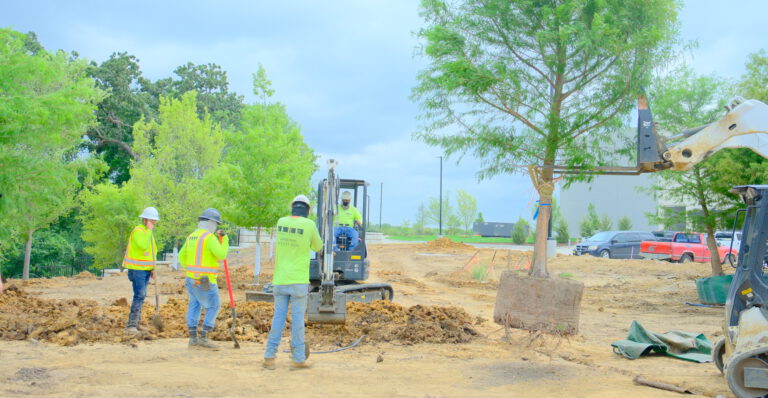
If you are installing new sod, new trees, seasonal color, large shrub beds, or property enhancements, you should understand how establishment watering requirements fit within local regulations. Many municipalities provide specific allowances for newly installed landscapes, but those allowances vary by jurisdiction and often require documentation or time limitations. Waiting until installation is complete to review watering requirements can create significant challenges for plant establishment.
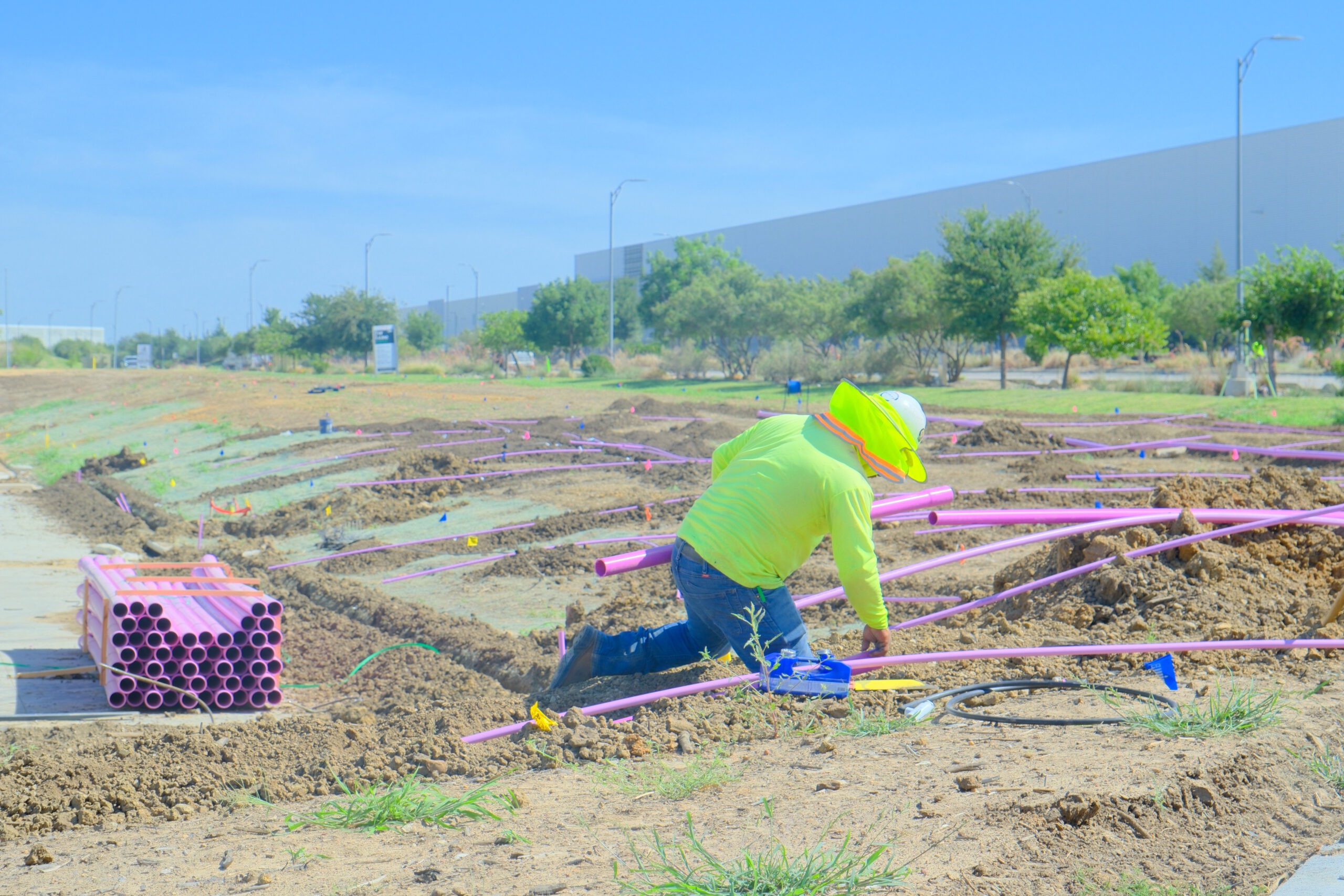
For this reason, irrigation planning should be part of the project design process. Working with a contractor that handles both commercial landscape construction and irrigation installation can help ensure the project remains compliant from day one.
The Most Effective Strategy Is Proactive Management
The best commercial properties in North Texas do not wait for drought declarations to start thinking about water. They operate with the assumption that conservation requirements will remain part of the landscape environment indefinitely.
That means:
- Conducting regular irrigation audits
- Repairing leaks quickly
- Upgrading outdated controllers
- Monitoring water usage
- Adjusting schedules seasonally
- Prioritizing high value landscape areas
- Staying informed about local restrictions
When these practices are in place, changing water restrictions become manageable operational adjustments rather than emergency situations.
Water Restrictions Should Shape Your Irrigation Strategy
Water restrictions are now a permanent consideration for commercial landscape management across DFW. Whether you manage an HOA, industrial facility, retail center, office park, or municipal property, your irrigation plan needs to be built around conservation, efficiency, and compliance. The properties that perform best during North Texas summers are rarely the ones using the most water. They are the ones using water most effectively.
At Site Landscape Development, we help commercial property owners and managers throughout Dallas-Fort Worth evaluate irrigation performance, improve efficiency, and maintain landscape quality while navigating local water restrictions. Schedule a property walkthrough with our team to discuss irrigation performance, water conservation opportunities, and long-term landscape planning.