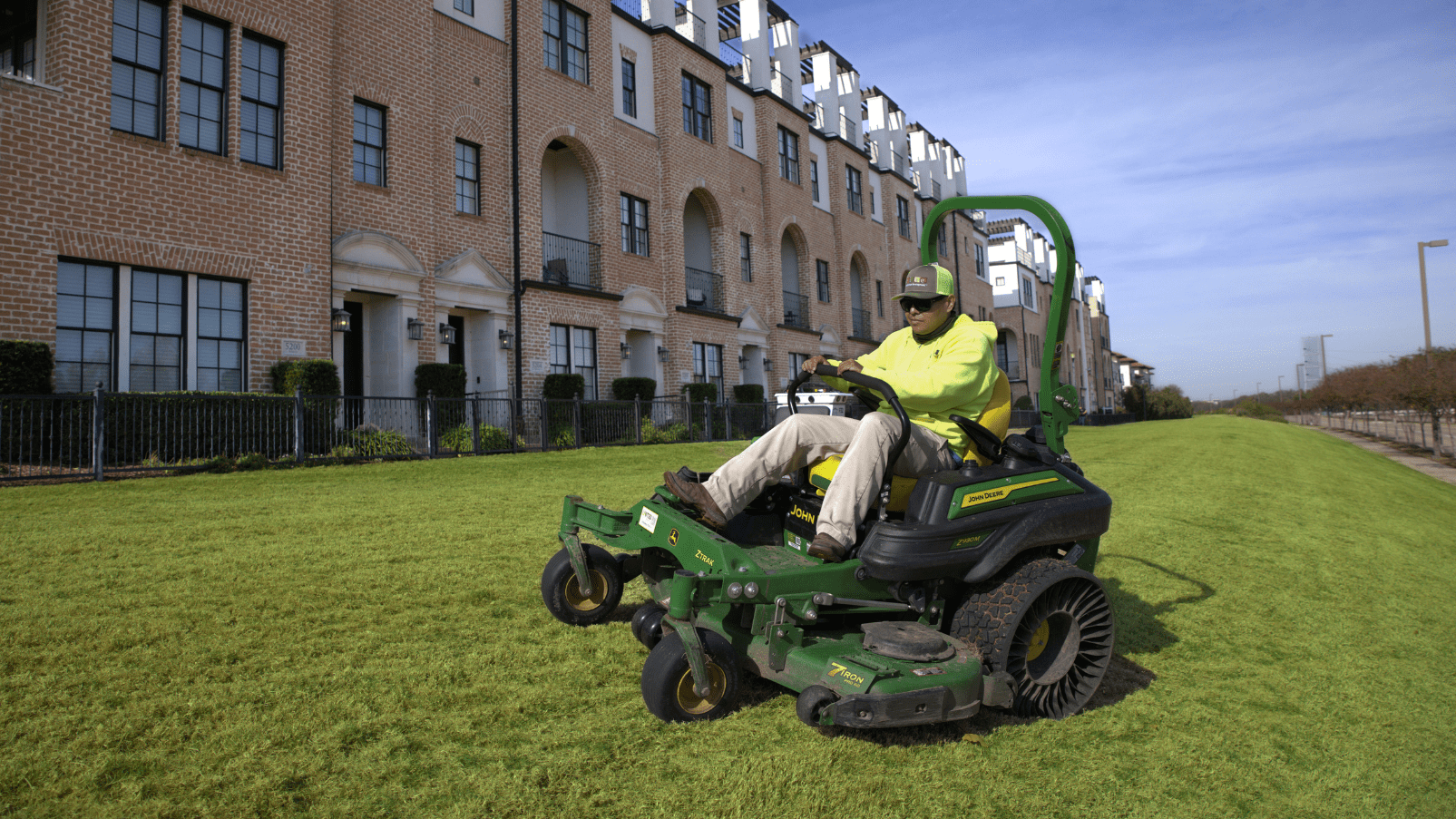
How to Choose a Commercial Landscape Contractor in North Texas
Most DFW commercial landscape contractors look good in April. The real test comes in July. When temperatures start to climb into the triple digits, turf begins to show signs of stress, and tenant complaints start appearing in inboxes, the difference between an average contractor and a great one becomes obvious.
If you’re evaluating commercial landscaping companies in DFW, the decision goes well beyond routine maintenance. The contractor you choose will influence curb appeal, tenant satisfaction, property value, and how much time you spend managing landscape issues throughout the year.
Before signing a new contract, here are the five questions every property manager should ask.
Step 1. Look for a Full-Service Partner, Not a Single Service Vendor
One of the most common mistakes property managers make is hiring three different companies to handle landscaping, irrigation, and construction work. It can look cheaper on paper. But in practice, it can create a coordination nightmare. When a new sod installation fails because the irrigation contractor never adjusted the zones, nobody owns the problem.
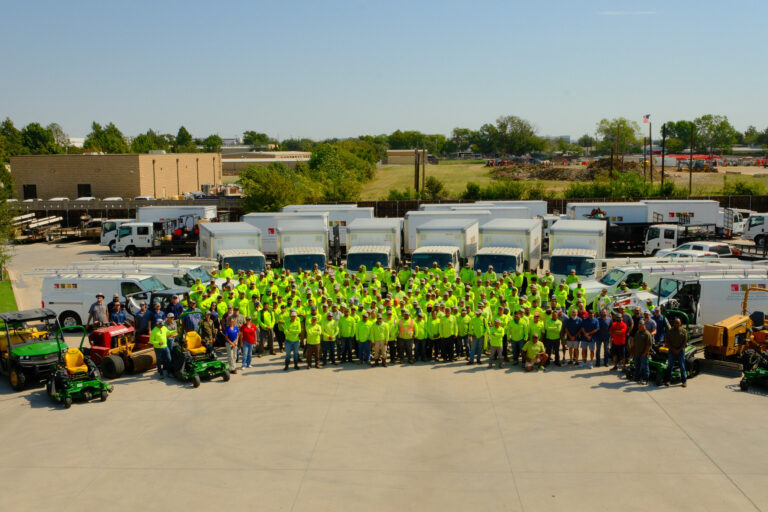
The right partner offers everything under one roof. At Site Landscape Development, we provide commercial landscape construction, maintenance, irrigation, field mowing, and enhancements as part of one unified operation. That means a property can move from initial build out to long term care without ever changing teams. It also means accountability lives in one place.
When you’re vetting contractors, ask whether they self-perform across all the services your property needs, or whether they subcontract major pieces of the work. Subcontractors aren’t inherently bad, but they introduce variables you’ll be managing.
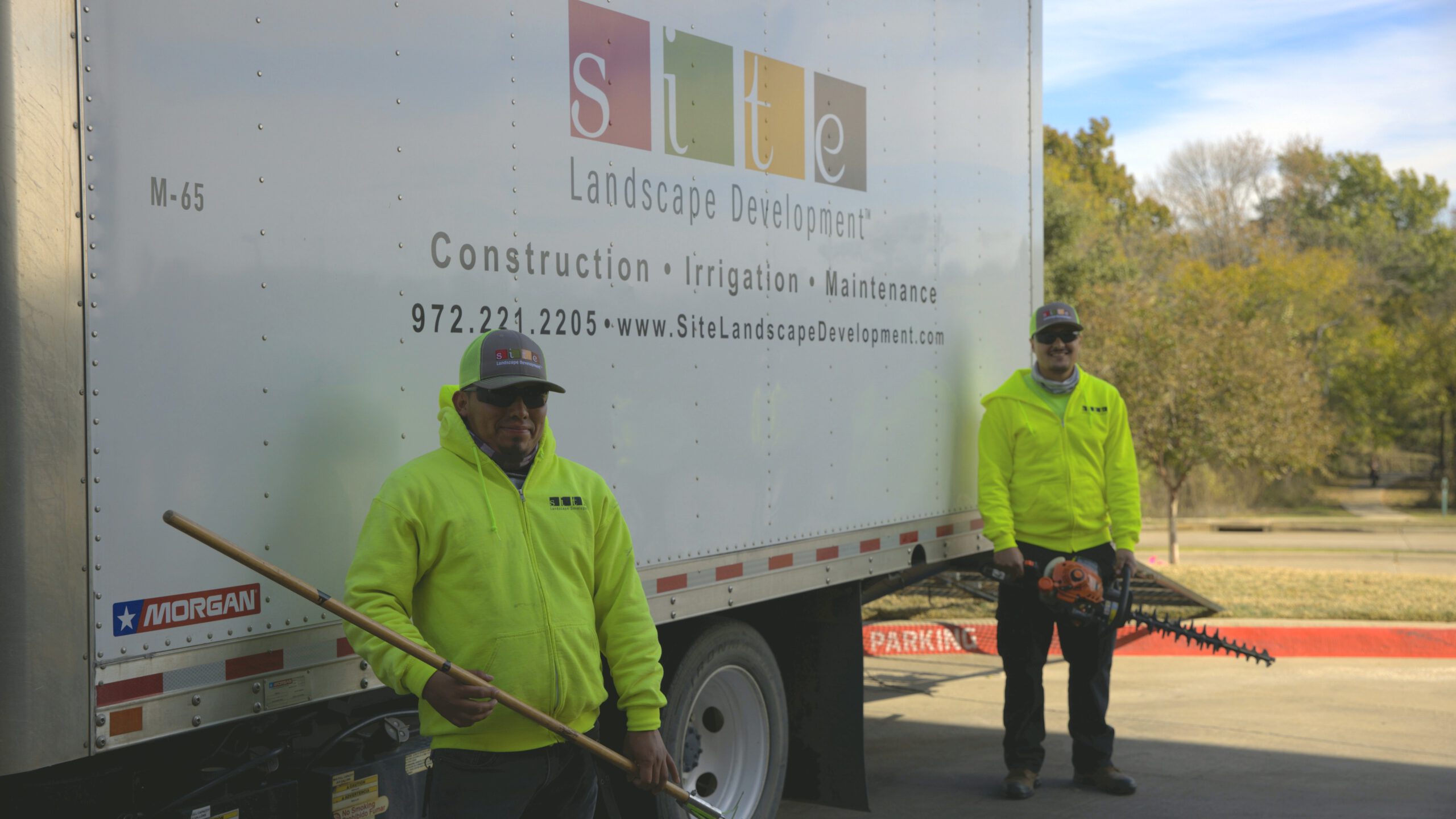
Step 2. Evaluate Their Experience With Properties Like Yours
A contractor that does great work on small office parks may struggle on a multi-acre industrial site. A team built around HOA work may not have the equipment fleet to handle right-of-way mowing or large warehouse complexes. Commercial properties across DFW vary widely, and the right partner should have direct experience with the type of property you manage.
Ask for examples. A serious contractor should point to similar properties they currently service or have built. If you manage a mixed-use development, they should walk you through the transition from construction to ongoing care. If you manage industrial sites with large turf areas, they should describe their field mowing fleet and how they scale crews during peak season.
SLD works with HOAs, business parks, industrial and warehouse facilities, retail centers, municipalities, and public improvement districts across the DFW Metroplex, including Dallas, Fort Worth, and the surrounding North Texas markets. That range matters because it means our processes are built for complexity.
Step 3. Ask Hard Questions About Texas Summers
This is the question that separates contractors who work in Texas from contractors who actually understand Texas. June through September is usually brutal on commercial landscapes. Triple digit heat, drought stress, irrigation strain, and pest pressure all hit at the same time. A contractor that doesn’t have a clear summer strategy is going to cost you a lot more than their bid suggests.
Always ask the following:
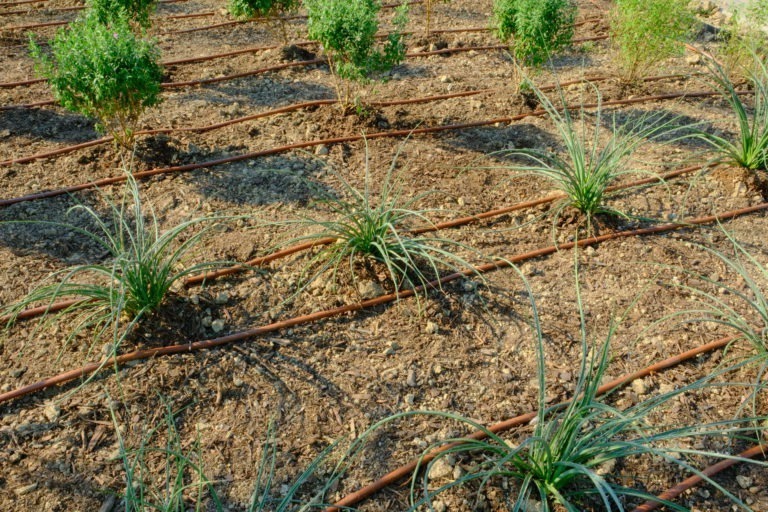
How often will their team inspect and adjust the irrigation system during peak heat? Look for a partner who treats irrigation as a living system, not a set it and forget it install. SLD’s irrigation programs include scheduled inspections, seasonal adjustments, ET based smart controller integration, and proactive monitoring to catch leaks and coverage gaps before they become brown spots.
What’s their plan if a major component fails during a heat wave? Response time in July may not be the same as response time in March. You want a contractor who can mobilize fast.
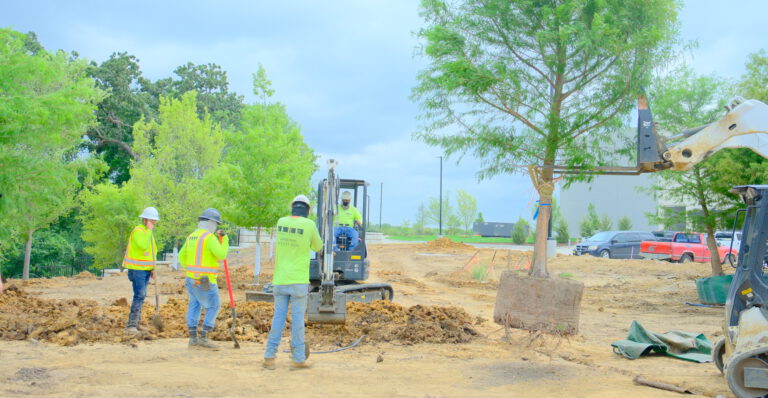
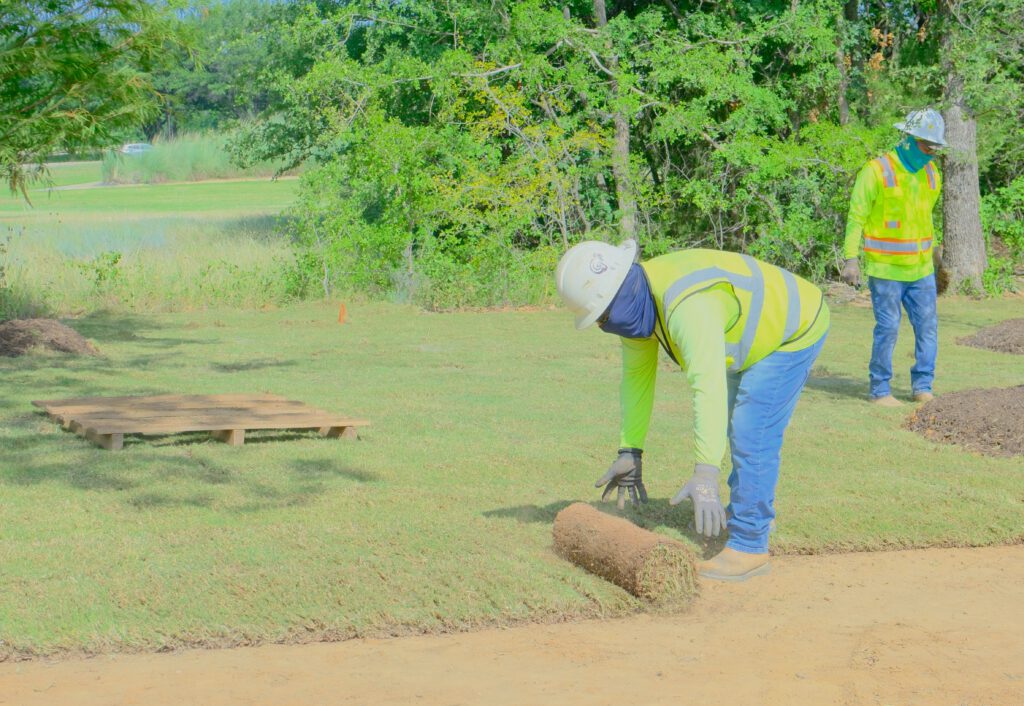
How do they protect new plantings and sod through summer establishment? If you’re doing any commercial landscape construction work in Fort Worth, Dallas, or anywhere across DFW in late spring or early summer, the answer to this question matters more than the price.
Step 4. Check for Process and Accountability
Sales meetings are easy to win. Anyone can show up with a clean truck and a confident pitch. The real question is what happens on day 30, day 90, and day 365.
Ask how they assign account management. At SLD, every property has a dedicated account manager who oversees service delivery, coordinates communication, and ensures standards are met across every visit. That single point of contact prevents the slow drift toward inconsistency that plagues so many landscape contracts.
Ask about quality control too. Routine site audits and proactive inspections should be built into the contract, not handled reactively only when complaints come in.
Lastly, ask about reporting. Will you get regular updates on irrigation performance, turf health, and upcoming seasonal work? Or will you only hear from them when there’s a problem or an invoice? These are important things to know.
Step 5. Look at the Equipment and Technology Behind the Work
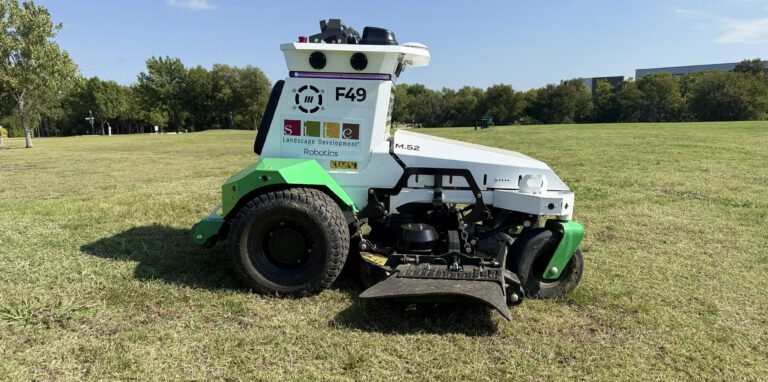
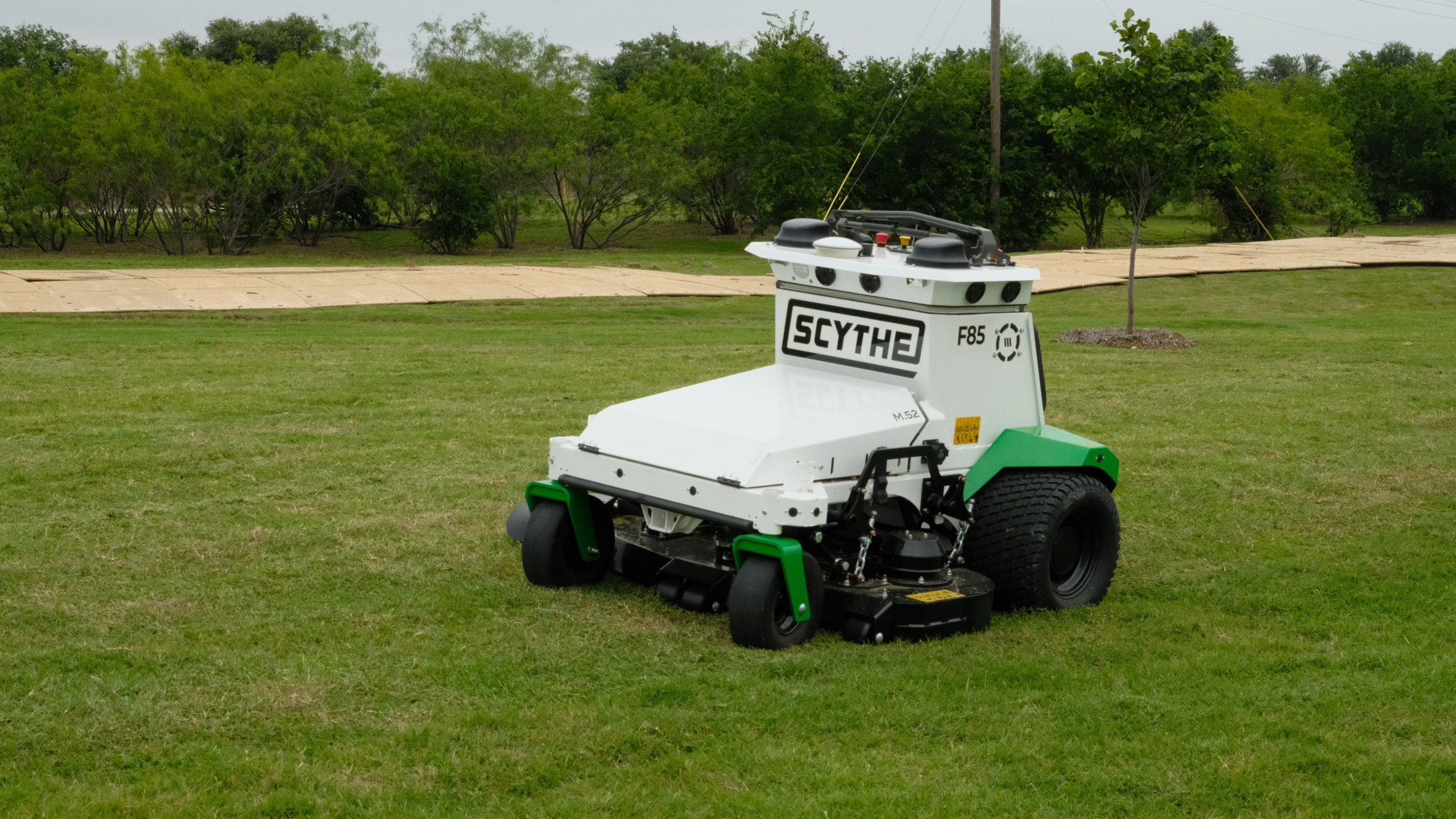
The landscaping industry has changed a lot in the past five years. The gap between a contractor running modern equipment and a contractor running tired trucks and outdated tools shows up fast on a commercial property. ET based smart controllers, remote controlled slope mowers, autonomous mowing, and data driven scheduling all translate into better results, lower water use, and fewer surprises.
You don’t need to become an expert on every piece of equipment. You just need to ask whether the contractor is investing in their fleet and their technology, or coasting on what worked ten years ago. The answer tells you a lot about how they’ll perform two years into the contract.
What to Watch for in the Contract
Before you sign anything, look closely at what’s actually included. Watch for vague language around frequency, deliverables, and seasonal scope. A solid commercial maintenance agreement should clearly outline visit frequency, fertilizer and chemical applications, pruning schedules, seasonal color rotations, irrigation monitoring, and how change orders are handled.
If the contract is short and the language is loose, that’s a warning sign. Good contractors put it in writing because clarity protects everyone.
The Bottom Line: Choosing the Right Commercial Landscape Partner in DFW
Choosing a commercial landscape contractor in North Texas is one of the more consequential vendor decisions a property manager makes. The grounds are usually the first thing tenants, customers, and ownership notice, and they’re one of the easiest things to neglect until problems compound.
Take the time to evaluate scope, experience, summer readiness, process, and technology. Ask hard questions and expect detailed answers. The right partner will welcome the scrutiny because they’ve already built their business around doing it the right way.
If you’re evaluating commercial landscaping partners across DFW, Dallas, or Fort Worth, we’d be glad to walk your property and show you what a true partnership looks like.